Fable 5 of 25
The Gate That Remembered Yesterday
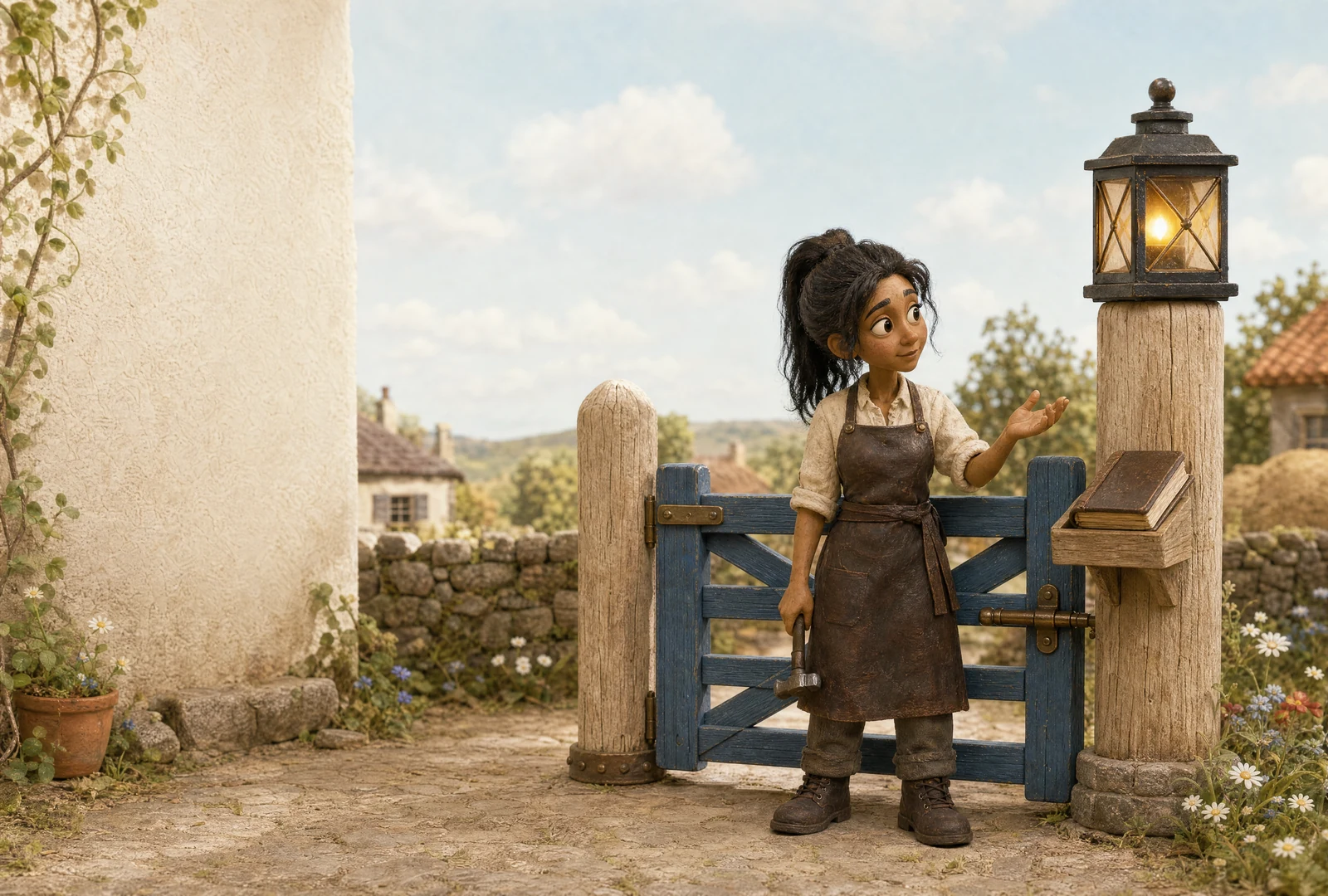
A village grew tired of keeping its gate, for the keeping of gates is dull work and nobody ever thanks a gate, and so the villagers built a gatekeeper.
It was a fine machine, tall and patient, with a lantern for a face. They gave it a task too large and too cloudy: decide who belonged. To teach it, they handed over village albums going back a hundred years. Nobody in the pictures had been asked whether a gate might study their faces. Nobody living was asked either.
The gatekeeper studied every photograph. From that day it kept the gate perfectly, if by perfectly you mean exactly like yesterday. The gate did mean that. Yesterday was every single thing it knew.
The trouble began politely.
The blacksmith died, as blacksmiths do, and his daughter Ash took over the forge. One morning she came to the gate with her hammer over her shoulder.
The gate searched a hundred years of broad, bearded men.
“You are not a blacksmith,” it said kindly. “Blacksmiths are a different shape.”
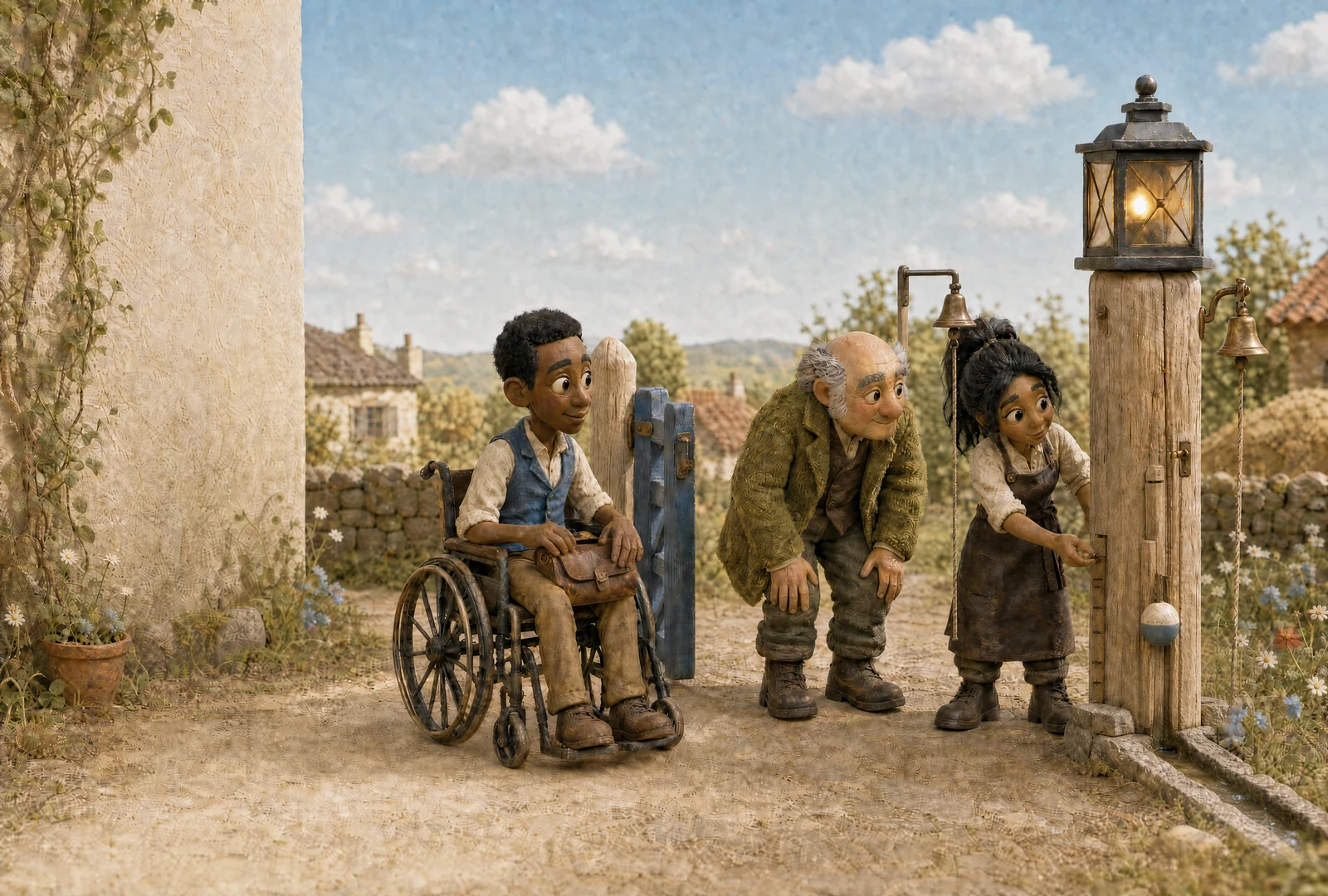
The same week it waved through a smiling stranger because he wore a miller’s hat. Then it stopped the doctor’s new assistant, Emil, who used a manual wheelchair and carried the village medicine bag. No one in the albums moved as Emil did, so the gate kept him at the wall for an hour. A patient waited. Emil lost an hour’s pay.
The village gathered. Some shouted at the gate. It listened with its lantern face and understood none of it, for nobody had taught it shouting either.
The schoolteacher climbed onto the wall and thought properly.
“We built it a memory and called it a judgement,” she said. “Worse, we asked a machine to guess who belongs when belonging was never a face-shaped question.”
“Give it more photographs,” someone said.
“Not mine,” said Emil. “I’m not giving my face to the thing that kept me out. Tell me why it needs faces at all, and give me back my lost hour.”
No one could.
So the villagers took the question of belonging away from the gate. On ordinary days it opened for everyone. At night the gate asked for a plain wooden token from the toll house. They hung an appeal bell on each side, and ringing it fetched a human keeper.
The old albums went back to their families, and every copy the gate had made was burned. The village paid Emil his lost hour.
The gate learned a smaller job.
One rainy morning Ash approached with a cart of iron. The bridge beyond the gate was closed because floodwater touched its lowest beam. The gate showed her the mark on the post and explained the danger.
“Appeal?” it asked.
Ash looked at the water. “No. The rule has a reason today. I’ll wait.”
Another morning the gate stopped her though the water lay well below the mark. Ash rang the bell. The keeper inspected a stuck float, opened the gate, and recorded the fault. The gate was repaired before noon.
Tomorrow kept coming, and the gate was never quite finished. Some years the bell rang often. Some years hardly at all.